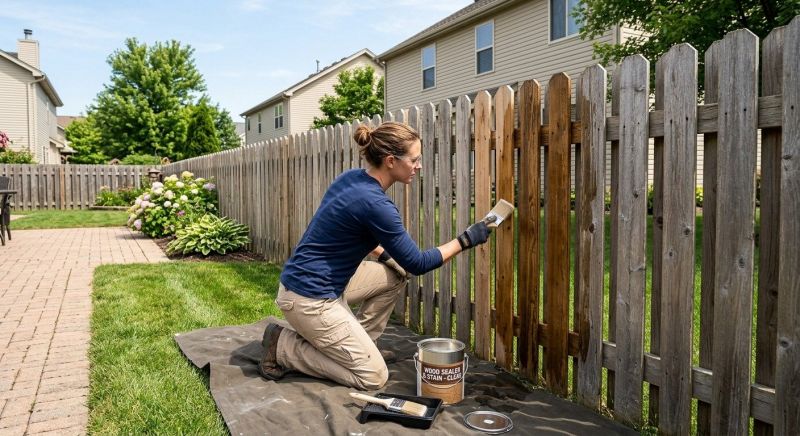
Cedar Fence Sealing in Seattle, WA
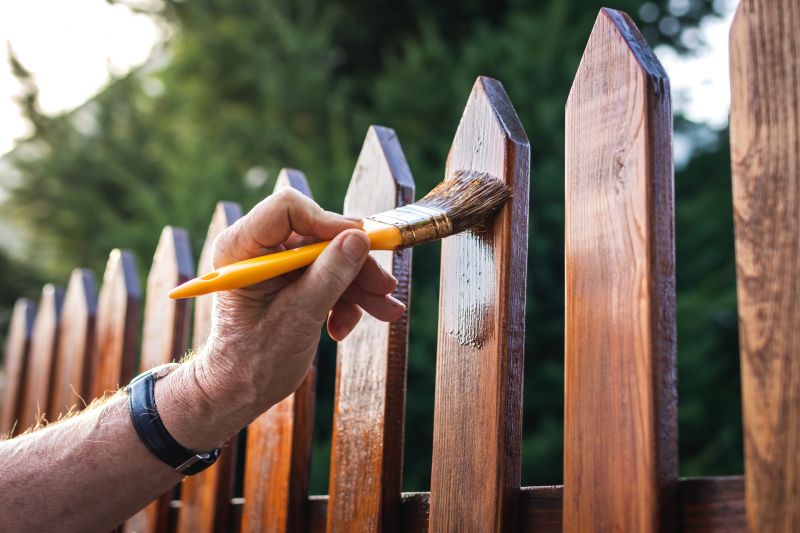
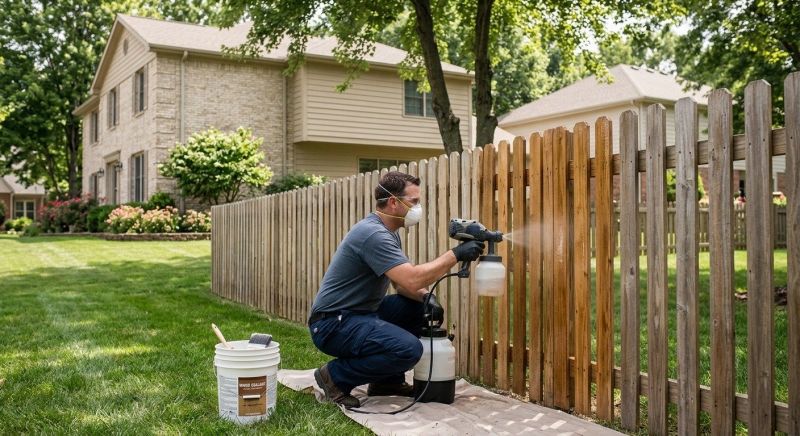
Cedar fence sealing services involve applying a protective coating to cedar fences to enhance their durability and appearance. This process helps to guard against moisture, UV damage, and general wear, extending the lifespan of the fence. Projects typically include sealing new fences during installation, as well as maintaining existing fences that may have become weathered or faded over time. Homeowners often seek this service to preserve the natural beauty of cedar wood while preventing issues like warping, cracking, or rot caused by exposure to the elements.
Before requesting cedar fence sealing, property owners usually want to understand the condition of their fence, including whether it has been previously sealed or treated. It’s also helpful to consider the type of finish that best suits the desired look-whether a clear seal to showcase the wood’s natural color or a tinted option for added protection. Proper preparation, such as cleaning the fence beforehand, can ensure the sealing product adheres effectively and provides optimal results.
Many property owners in Seattle, WA look into Cedar Fence Sealing for repairs, replacements, upgrades, and appearance-related improvements.
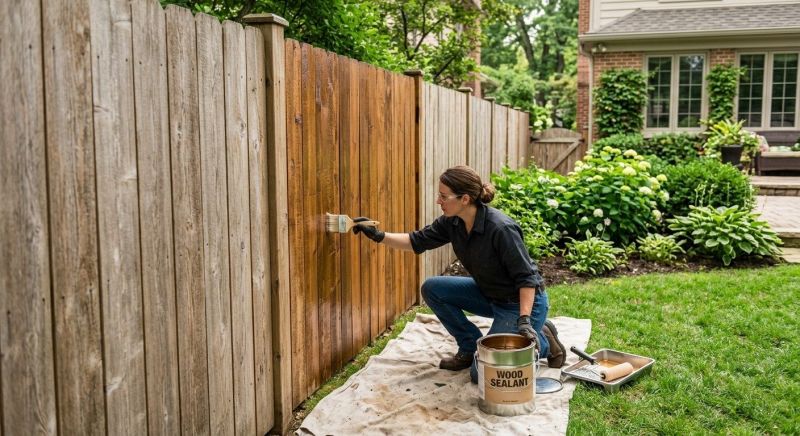
Protecting Cedar Fences
Sealing helps prevent weather damage and extends the life of cedar fences.
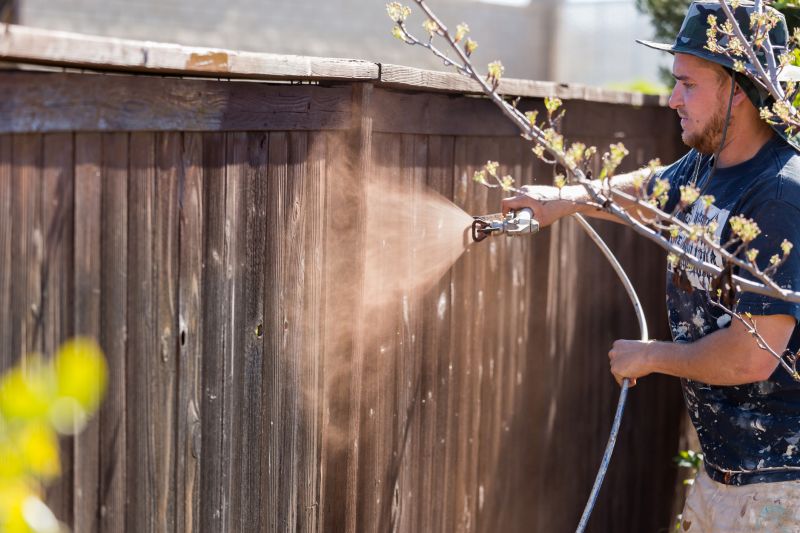
Enhancing Fence Appearance
A well-sealed cedar fence maintains its natural beauty and vibrant color.
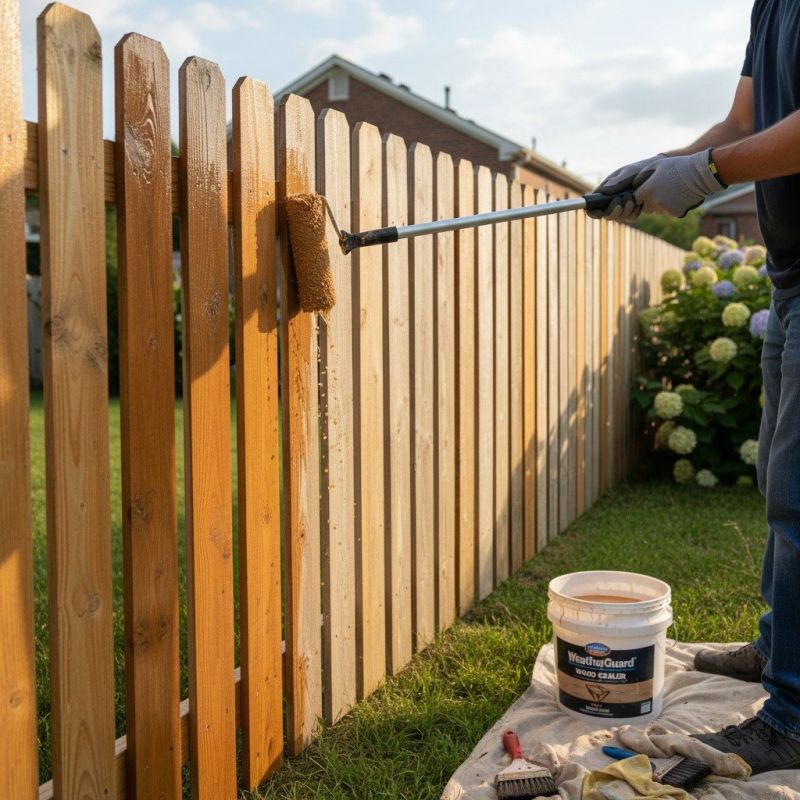
Maintaining Property Value
Regular cedar fence sealing can help preserve the overall look and value of residential properties in seattle.
Cedar Fence Sealing in Seattle, WA

Cedar fence sealing services involve applying a protective coating to cedar fences to enhance their durability and appearance. This process helps to guard against moisture, UV damage, and general wear, extending the lifespan of the fence. Projects typically include sealing new fences during installation, as well as maintaining existing fences that may have become weathered or faded over time. Homeowners often seek this service to preserve the natural beauty of cedar wood while preventing issues like warping, cracking, or rot caused by exposure to the elements.
Before requesting cedar fence sealing, property owners usually want to understand the condition of their fence, including whether it has been previously sealed or treated. It’s also helpful to consider the type of finish that best suits the desired look-whether a clear seal to showcase the wood’s natural color or a tinted option for added protection. Proper preparation, such as cleaning the fence beforehand, can ensure the sealing product adheres effectively and provides optimal results.
Many property owners in Seattle, WA look into Cedar Fence Sealing for repairs, replacements, upgrades, and appearance-related improvements.
Common Cedar Fence Sealing Jobs
Fence sealing - protects cedar fences from moisture and weather damage.
Weatherproofing - helps prevent warping, cracking, and splitting over time.
Surface treatment - enhances the natural appearance of cedar while adding a protective barrier.
Maintenance sealing - extends the lifespan of existing fences by sealing out the elements.
Preventative care - reduces the risk of rot, mold, and insect damage.
Restorative sealing - revitalizes aged or faded cedar fences for a refreshed look.

Cedar Fence Sealing Questions
What is cedar fence sealing? Cedar fence sealing involves applying a protective coating to help preserve the wood’s appearance and prevent damage from moisture and UV rays.
Why should property owners consider cedar fence sealing? Sealing helps extend the lifespan of the fence and maintains its natural color and texture over time.
What types of fences benefit from sealing? Cedar fences, especially those exposed to the elements, benefit most from sealing to prevent weather-related wear.
When is the best time to seal a cedar fence? The optimal time is after the fence is installed and thoroughly dry, typically during warmer, dry weather conditions.
Request Cedar Fence Sealing in Seattle, WA
Use the quote form on this page to share the basics of your project and request more information for the type of work you need.